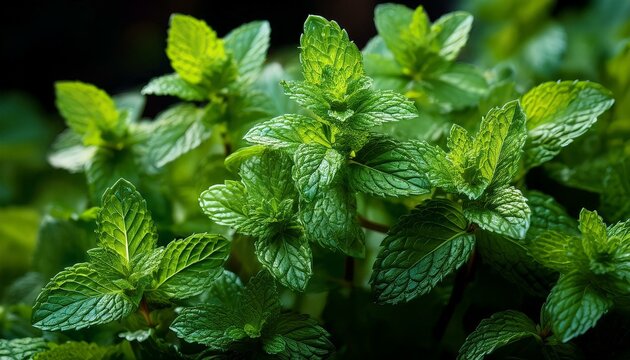
🌿 Peppermint
Mentha × piperita
Family:
Lamiaceae (Mint Family)
Also Known As:
Brandy Mint • Black Mint • Balm Mint
Relationship
🌱 Growing in My Garden
🏔️ Wild Gathered
🤝 Thoughtfully Sourced
🌎 Always Studying
Meet the Plant
Peppermint is one of the world’s most recognizable herbs,
filling gardens with its bright fragrance and unmistakable cooling character.
Unlike many herbs,
peppermint is actually a natural hybrid,
created from a cross between watermint (Mentha aquatica)
and spearmint (Mentha spicata).
Rich in naturally occurring menthol,
its leaves offer a refreshing aroma followed by a gentle cooling sensation
that has made peppermint a favorite in kitchens,
gardens,
and apothecaries around the world.
Once established,
peppermint spreads enthusiastically,
rewarding gardeners with abundant harvests year after year.
Parts Traditionally Used
🌿 Leaves
The fragrant leaves are the most widely used part of the peppermint plant.
They have traditionally been enjoyed in:
🍵 Botanical teas
🌿 Culinary blends
🧪 Botanical extracts
🪻 Aromatic preparations
🫒 Botanical oils
For the brightest aroma and flavor,
the leaves are typically harvested just before the plant begins to flower,
when their naturally occurring aromatic oils are at their peak.
Traditional Herbal Uses
Peppermint has been treasured for generations as both a flavorful culinary herb
and a refreshing botanical companion.
Traditionally it has been used to support comfortable digestion after meals,
occasional nausea,
a refreshed and focused mind,
easy breathing through its cooling aroma,
and everyday herbal enjoyment in teas and seasonal recipes.
Modern research continues to explore peppermint’s naturally occurring menthol
and other aromatic compounds,
helping us better understand its long-standing place in traditional herbal practices.
In the Kitchen
Peppermint’s bright,
cooling flavor has made it a favorite in kitchens around the world.
Traditionally it has been enjoyed in:
🍵 Herbal teas
🍓 Fresh fruit
🍫 Chocolate desserts
🥤 Summer beverages
🥗 Garden salads
🥄 Herbal syrups
🍨 Homemade ice cream
Fresh leaves can also be added to cool water for a simple
and refreshing botanical infusion.
A Few Considerations
Peppermint has a long history of culinary and traditional herbal use
and is generally enjoyed safely as a tea or culinary herb.
Concentrated peppermint essential oil should always be properly diluted before
topical use.
The essential oil is not considered safe for cats
and should be kept out of reach of pets.
Dogs may also be sensitive to concentrated peppermint oil.
Individuals with acid reflux (GERD),
a hiatal hernia,
or gallbladder conditions may find that peppermint worsens their symptoms.
Those who are pregnant or breastfeeding,
or who take prescription medications,
should consult their healthcare provider
before using concentrated peppermint preparations.
In My Apothecary
You may find peppermint featured in:
🌿 Botanical Tea Blends
🌿 Botanical Extracts
🌿 Botanical Skincare
🌿 Lip Balms
🌿 Seasonal Botanical Preparations
Harvest & Preparation
Peppermint is most aromatic just before flowering,
when its leaves contain the highest concentration of essential oils.
Harvesting regularly encourages fresh new growth,
making peppermint one of the most generous herbs in the garden.
The leaves may be enjoyed fresh,
gently dried for tea,
or infused into oils and other botanical preparations.
Keeper’s Notes
Peppermint has always felt like the herb that wakes up the garden.
Brush your hand across its leaves and the fragrance rises instantly,
reminding you to pay attention.
It doesn’t whisper.
It announces itself.
Whenever I harvest peppermint,
I’m reminded that clarity can be refreshing.
Sometimes all we need is a deep breath,
a warm cup of tea,
and a few quiet moments to feel present again.
Continue Wandering…
Back to 🌿The Herbarium
 5K High Altitude Apothecary