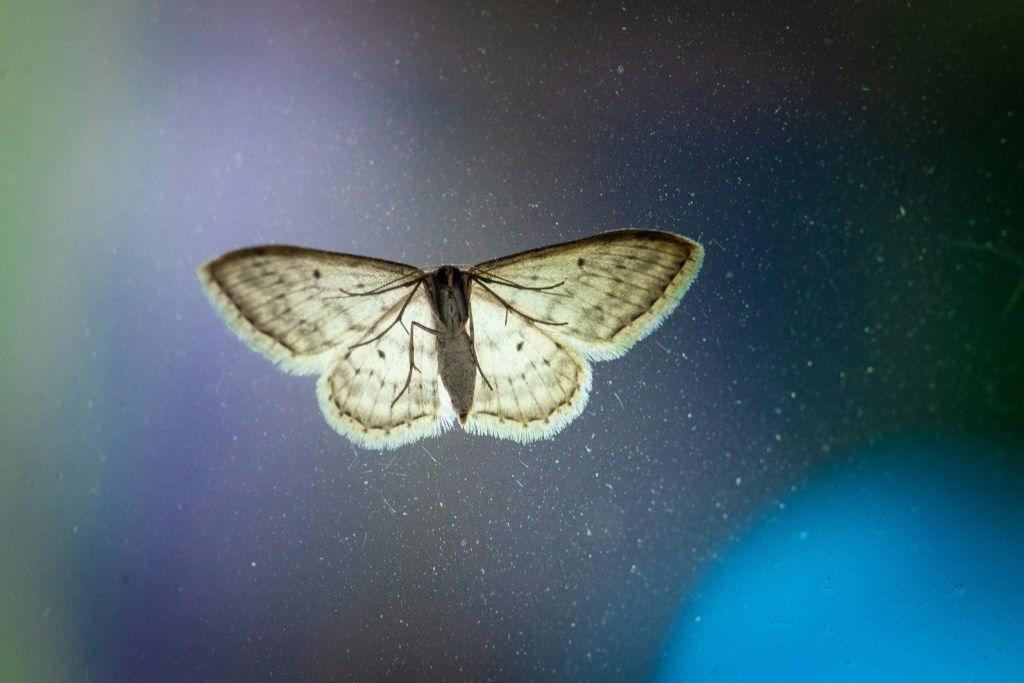
🐾When the Nuisance Became a Neighbor
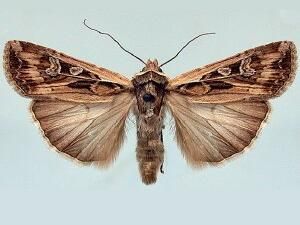
For most of my working life, miller moths were a nuisance.
Every year they came through in numbers.
They found their way into houses, gathered around windows, and left their little marks all over freshly cleaned glass.
For someone who cleaned houses for a living, they were maddening.
There was no point doing certain windows until the millers had passed through.
I could clean the glass beautifully, and they would simply come along and mess it up again.
I fought with them.
I killed them.
Mostly, I wanted them out of my way so I could get my work done.
Looking back, I think there was some arrogance in that.
I had decided what the space was for.
I had decided what was supposed to happen there.
And anything interfering with my plan became a problem.
Then one day, something changed.
Instead of killing a miller, I picked it up.
I let it sit on the end of my finger.
And I looked at it.
Really looked.
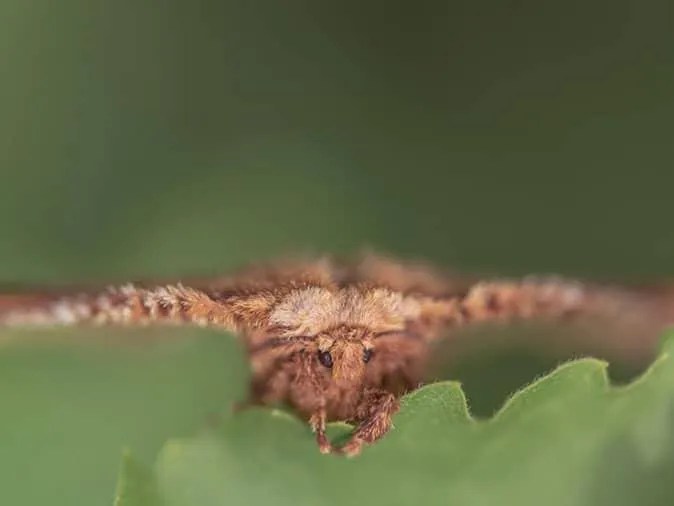
It had a fuzzy little head.
A soft little body.
Up close, it was almost ridiculously cute—a tiny furry puppy dog with wings.
And suddenly the thing I had spent years regarding as a pest became a living creature sitting on my finger.
The miller hadn’t changed.
I had.
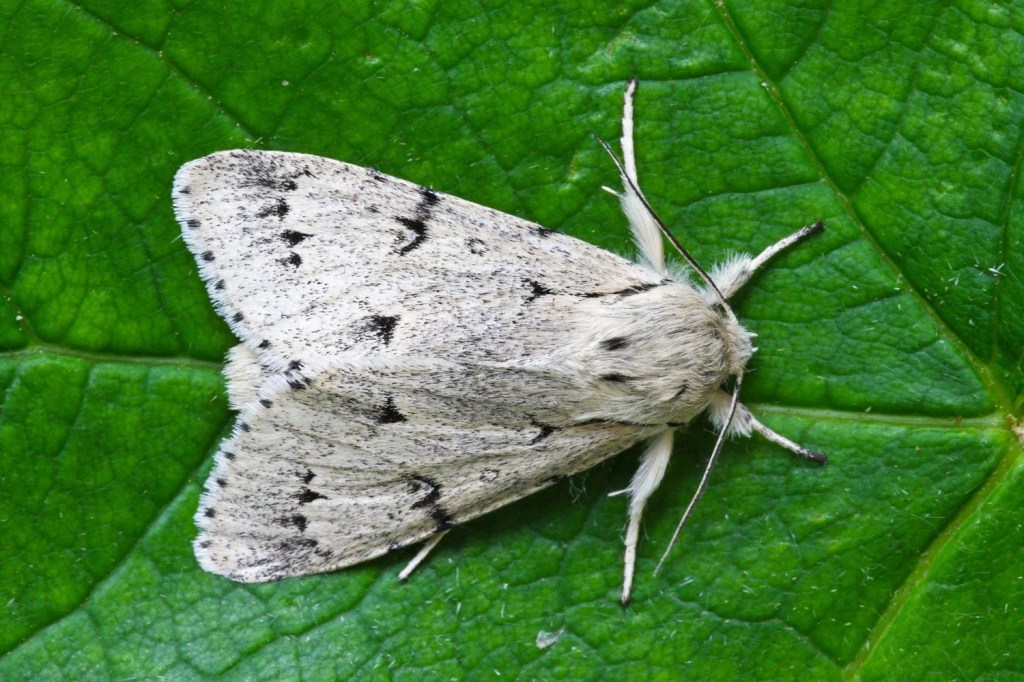
Once I began looking at moths differently, I began seeing how beautiful they really are.
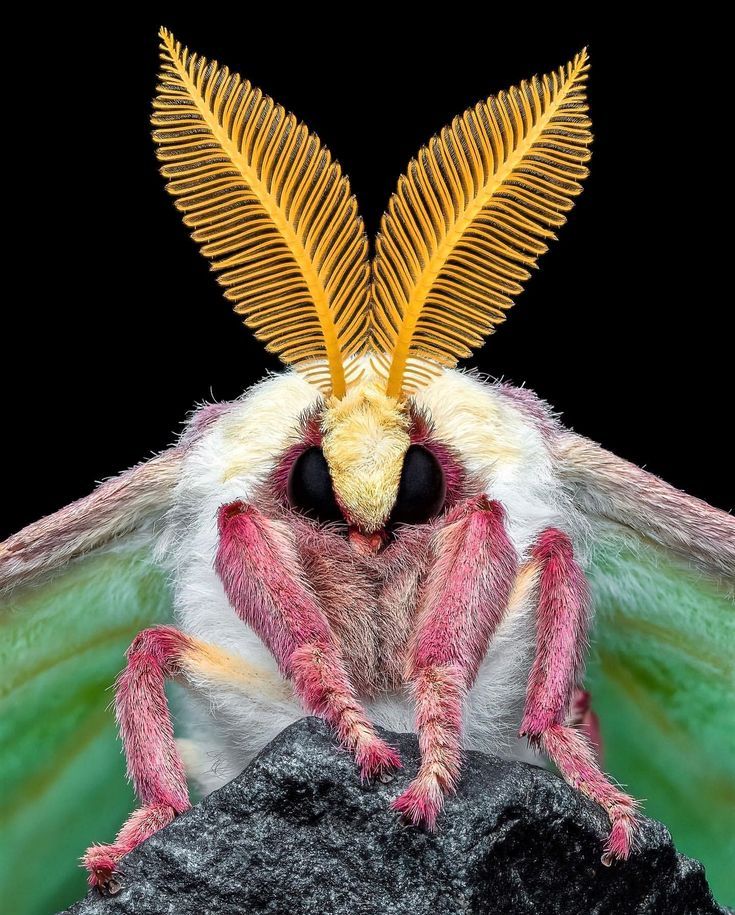
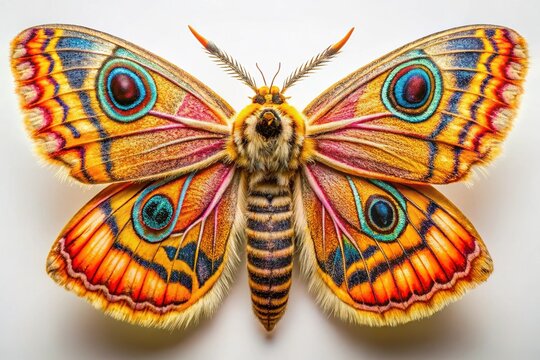
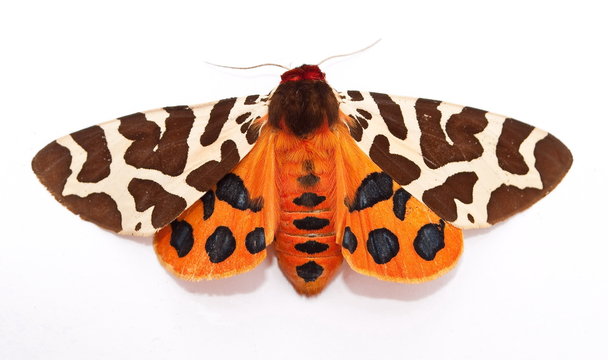
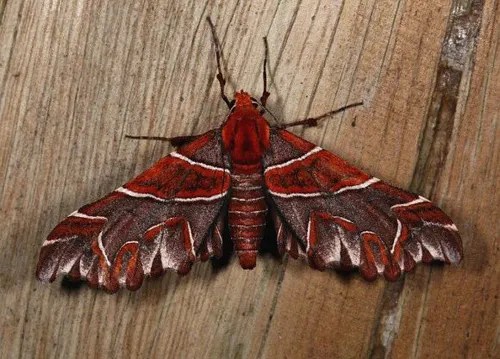
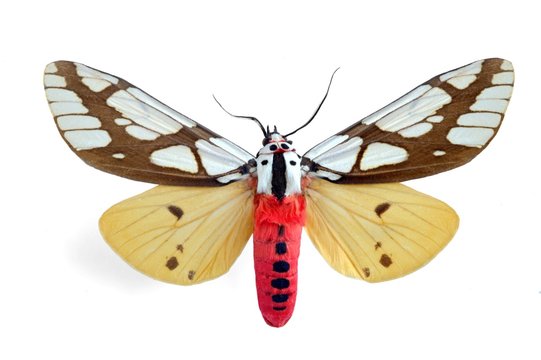
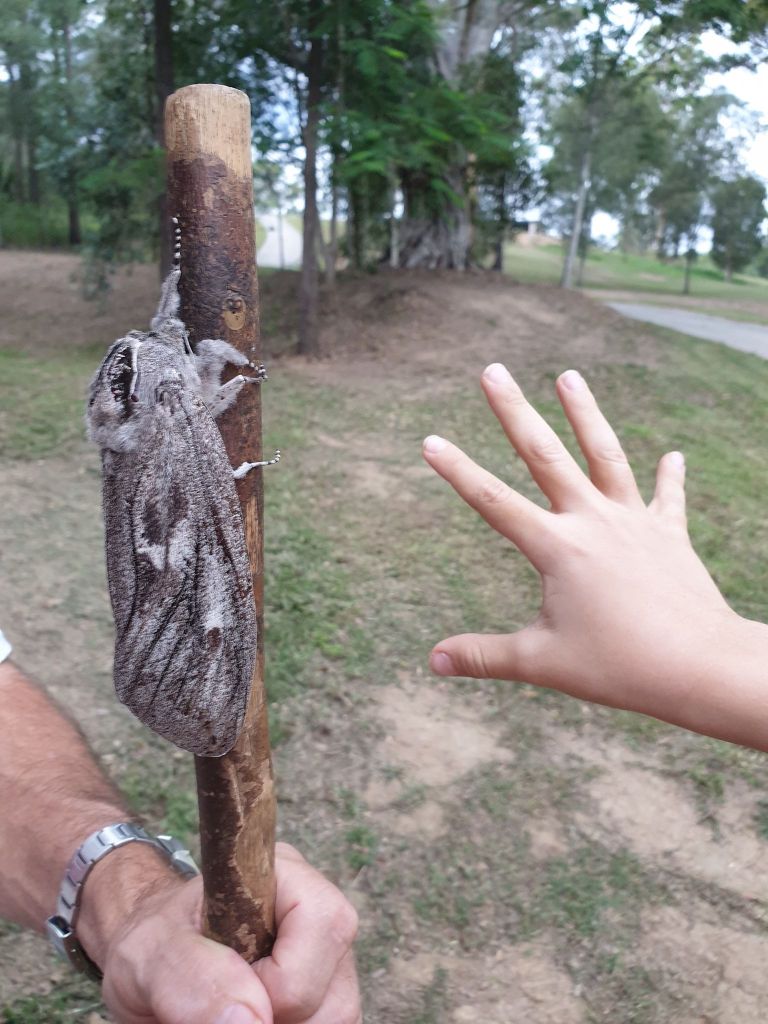
Mammoth Moth
When We Stop Fighting Life
I don’t know exactly when I began making peace with life.
Maybe it doesn’t happen all at once.
Maybe it happens in tiny moments like this one, when we stop trying to control something long enough to become curious about it.
The moth still behaved like a moth.
It would still fly where I didn’t particularly want it to fly.
It would still make a mess of a window.
Making peace with something doesn’t mean pretending it never inconveniences us.
It means inconvenience is no longer the only thing we can see.
Once I had actually met the miller, I couldn’t quite return to seeing it merely as something in my way.
It had become a neighbor.
A fellow traveler.
And Now I Miss Them
There is another part to this epiphany that took much longer to arrive.
After watching the millers move through northern Colorado for roughly thirty-five years, I recently realized something:
I don’t see them the way I used to.
Not just this year.
Something feels different.
I remember planning work around them.
I remember the windows.
I remember how numerous they could be and how predictable their seasonal presence felt.
Now I find myself wondering where they are.
I don’t know what changed.
There are many things worth asking about—weather, drought, habitat, agriculture, pesticides, artificial light, migration conditions, food sources, and whatever other changes have occurred across the landscape during those decades.
Observation is not proof of cause.
Thirty-five years of noticing something does not tell me why it changed.
But it does allow me to say:
I noticed.
And perhaps that matters too.
The Creatures We Think We Could Do Without
There is something humbling about missing a creature I once wished would go away.
We tend to divide the living world according to its usefulness to us.
Beautiful.
Annoying.
Beneficial.
Pest.
Wanted.
Unwanted.
But the miller never agreed to any of those categories.
It was simply being a miller.
Perhaps one of the quiet lessons of becoming older is discovering how much life was happening around us while we were busy deciding whether it was convenient.
The weeds.
The insects.
The birds.
The weather.
The seasons.
The tiny moth messing up the window I had just cleaned.
All of it belonged to the world before I approved of it.
And all of it will continue belonging to the world whether I approve of it or not.
Continue to 💡 Life as Teacher
Continue to 🦊 Fellow Travelers
Return to 📖 The Mountain Journal
 5K High Altitude Apothecary