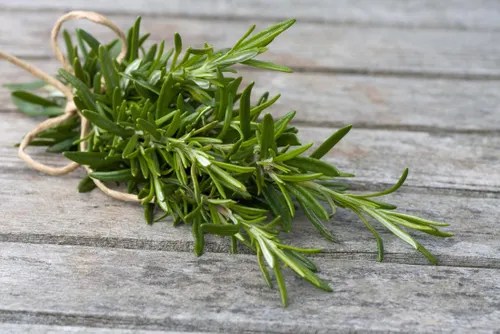
🌿 Rosemary
Salvia Rosmarinus
Family:
Lamiaceae (Mint Family)
Also Known As:
Dew of the Sea • Compass Weed • Garden Rosemary
Relationship
🏔️ Wild Gathered
🤝 Thoughtfully Sourced
🌎 Always Studying
Meet the Plant
Rosemary is an evergreen shrub whose fragrant,
needle-like leaves have scented gardens and kitchens for centuries.
Native to the rocky coastlines of the Mediterranean,
its botanical name once meant “dew of the sea,”
a tribute to the way it thrives where ocean mist meets warm sunshine.
Long associated with remembrance,
protection,
and hospitality,
rosemary has been woven into celebrations,
kitchens,
and home apothecaries throughout history.
It is one of those plants that seems equally at home beside the garden gate,
in the cooking pot,
or steeping quietly into an herbal oil.
Parts Traditionally Used
🌿 Leaves
The aromatic leaves are the most commonly used part of the rosemary plant.
They have traditionally been enjoyed in:
🍵 Botanical teas
🧂 Culinary seasonings
🧪 Botanical extracts
🫒 Botanical oils
🧼 Hair & skin preparations
🪻 Aromatic sachets
The flowering tops are also occasionally included in traditional herbal preparations.
Traditional Herbal Uses
For generations,
rosemary has been treasured as both a flavorful culinary herb
and a trusted botanical companion.
Traditionally it has been used to support mental clarity and memory,
healthy digestion,
everyday vitality,
comfortable circulation,
and healthy skin and hair.
Its naturally occurring aromatic compounds
including cineole,
camphor,
and pinene
continue to be studied for their antioxidant and antimicrobial properties.
In the Kitchen
Rosemary’s bold,
woodsy aroma brings warmth and depth to countless recipes.
Traditionally it has been enjoyed in:
🥕 Roasted vegetables
🍞 Breads & focaccia
🥣 Soups & stews
🫒 Olive oils
🍎 Herbal vinegars
🥣 Marinades
🍵 Botanical teas
Often,
a single sprig provides all the flavor a dish needs.
A Few Considerations
Rosemary has a long history of culinary and traditional herbal use
and is generally considered safe when enjoyed as a food or tea.
When harvesting rosemary,
gather only from plants that have not been treated with pesticides or chemical sprays.
Concentrated rosemary essential oil
should always be properly diluted before topical use.
While fresh rosemary is generally considered safe around dogs and cats,
concentrated essential oils should be used with caution,
particularly around cats,
which are more sensitive to essential oils.
Those who are pregnant,
have a seizure disorder,
or take prescription medications should consult their healthcare provider
before using concentrated rosemary preparations.
In My Apothecary
You may find rosemary featured in:
🌿 Botanical Tea Blends
🌿 Botanical Hair Care
🌿 Botanical Skincare
🌿 Botanical Oils
🌿 Seasonal Botanical Preparations
Harvest & Preparation
Rosemary may be harvested throughout much of the growing season,
though many herbalists prefer gathering it in the morning after the dew has dried
and before the heat of the day.
The leaves dry beautifully,
retaining much of their fragrance for months.
They may also be infused into oils,
vinegars,
and botanical preparations while fresh.
Keeper’s Notes
Rosemary has always felt like the guardian of the garden.
Even in winter,
when many plants have gone quiet,
rosemary often remains green and fragrant,
reminding us that resilience doesn’t always announce itself with grand gestures.
Sometimes strength is simply showing up every day,
rooted where you belong,
offering your gifts season after season.
Whenever I brush my hand across its branches,
the fragrance reminds me to stay present,
remember where I’ve been,
and keep growing toward the light.
🌿 Meet the Plant
Botanical Name:
Salvia rosmarinus (formerly Rosmarinus officinalis)*
Plant Family:
Mint (Lamiaceae)
Life Cycle:
Evergreen perennial shrub
Parts Traditionally Used:
Leaves • Flowering Tops
Native Home:
Mediterranean region
Growing Habit:
Woody evergreen shrub with narrow, aromatic leaves and soft blue blossoms.
Garden Friends:
Honeybees, native bees, butterflies, and other beneficial pollinators
Harvest:
Leaves may be gathered throughout the growing season,
with the richest aroma often found before flowering.
Known For:
Evergreen resilience, aromatic foliage, culinary versatility,
and centuries of association with remembrance and hospitality.
Continue Wandering…
Back to 🌿The Herbarium
 5K High Altitude Apothecary