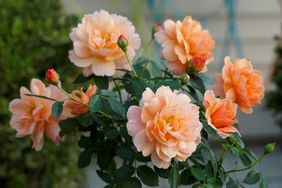
🌹 Rose
Rosa damascena • Rosa centifolia • Rosa canina
Family: Rosaceae (Rose Family)
Also Known As: Damask Rose • Cabbage Rose • Dog Rose
Relationship
🏔️ Wild Gathered
🤝 Thoughtfully Sourced
🌎 Always Studying
Meet the Plant
Few flowers have been loved as deeply or for as long as the rose.
For thousands of years, roses have been cultivated not only for their beauty but also for their fragrance, nourishment, and place in traditional herbalism. From monastery gardens and royal estates to humble cottage gardens, the rose has long been regarded as a symbol of love, resilience, and the quiet strength of an open heart.
Every part of the plant offers something unique—from the delicate petals of summer to the vibrant rose hips that brighten autumn.
Parts Traditionally Used
The rose offers many gifts.
The parts most commonly used include:
🌹 Petals – teas, infused oils, hydrosols, vinegars, honey, and botanical skincare
🍎Rose Hips – teas, syrups, jams, and seasonal wellness preparations
🍃Stems & Leaves – occasionally included in traditional preparations
Traditional Herbal Uses
For generations, rose has been cherished as a gentle yet powerful botanical companion.
Traditionally it has been used to support emotional balance during times of grief or stress, a sense of calm and well-being, comfortable digestion, healthy radiant skin, and seasonal wellness through the nourishing qualities of its vitamin-rich hips.
Around the world, rose has been honored in many healing traditions. In Traditional Chinese Medicine, it has long been used to encourage the smooth flow of Qi. In Ayurveda, rose is treasured for its naturally cooling nature and its ability to bring balance during times of heat, tension, and emotional overwhelm.
Modern research continues to explore the naturally occurring antioxidants, flavonoids, and aromatic compounds found throughout this beloved plant.
In the Kitchen
Rose has delighted cooks for centuries.
Its petals and hips have traditionally been enjoyed in:
🍵 Botanical teas
🍯 Rose honey
🥄 Syrups
🍓 Jams & jellies
🍰 Baking
🍓 Fruit dishes
🍎 Herbal vinegars & cordials
🍬 Turkish delight & other traditional confections
Rose hips offer a bright, gently tangy flavor and have long been appreciated as a nourishing seasonal food.
A Few Considerations
Rose has a long history of culinary and traditional herbal use and is generally considered a gentle botanical when enjoyed as a tea or culinary herb.
When gathering roses, use only blossoms that have never been treated with pesticides or chemical sprays.
As with any botanical, those with known plant sensitivities should introduce rose preparations thoughtfully.
Those who are pregnant or breastfeeding should consult their healthcare provider before using concentrated herbal preparations or essential oils.
In My Apothecary
You may find rose featured in:
🌿 Botanical Tea Blends
🌿 Botanical Oils
🌿 Botanical Skincare
🌿 Gemstone & Botanical Ritual Preparations
🌿 Seasonal Botanical Formulations
Harvest & Preparation
Rose petals are traditionally gathered early in the morning, just after the dew has dried and while their fragrance is at its peak.
Rose hips are harvested in autumn after the first light frost, when they become sweeter and richly colored.
Petals may be infused into oils, honey, vinegars, hydrosols, and teas, while the hips are treasured for syrups, preserves, and nourishing infusions.
Keeper’s Notes
There is something about a rose that refuses to hurry.
It opens one petal at a time.
It never competes with the flowers around it, and it never apologizes for its fragrance.
Whenever I work with roses, I’m reminded that beauty isn’t something we achieve.
It’s something we allow ourselves to become.
Meet the Plant
Botanical Name: Rosa damascena, Rosa centifolia, Rosa canina
Plant Family: Rose (Rosaceae)
Life Cycle: Perennial shrub
Parts Traditionally Used: Petals • Rose Hips • Leaves • Young Stems
Native Home: Europe, Western Asia, and the Middle East (depending on species)
Growing Habit: Deciduous shrub with fragrant blossoms and nutrient-rich autumn hips
Garden Friends: Honeybees, native bees, butterflies, birds, and other beneficial pollinators
Harvest: Petals are gathered during bloom, while rose hips are harvested in autumn after they have fully ripened.
Known For: Fragrance, beauty, nourishing rose hips, and centuries of use in botanical traditions around the world.
 5K High Altitude Apothecary