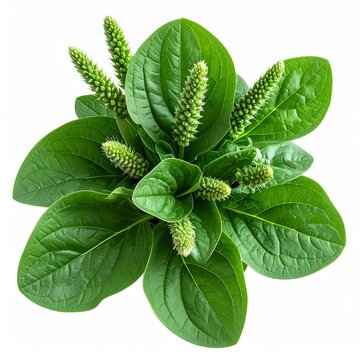
🌿 Plantain
Plantago major • Plantago lanceolata
Family: Plantaginaceae (Plantain Family)
Also Known As: Broadleaf Plantain • Ribwort Plantain • Waybread • White Man’s Foot
Relationship
🤝 Thoughtfully Sourced
🌎 Always Studying
Meet the Plant
Plantain is one of the world’s most overlooked healing plants.
Often mistaken for an ordinary lawn weed, it quietly grows along footpaths, roadsides, gardens, and disturbed soils, waiting patiently to be noticed. Its broad or lance-shaped leaves form a low rosette close to the earth, sending up slender flower stalks that sway in the breeze.
Long before modern first-aid kits, people throughout Europe, Asia, and North America relied on plantain as a dependable companion for everyday scrapes, stings, and irritations. Native Americans called it “White Man’s Foot” because it seemed to appear wherever European settlers traveled, while the Anglo-Saxons knew it as “Waybread,” the herb of the roadside.
Parts Traditionally Used
🍃 Leaves
The leaves are the most widely used part of the plant and have long been treasured in traditional herbal preparations.
They have traditionally been enjoyed as:
🌿 Fresh leaves
🪻 Dried leaves
🫒 Botanical oils
🧴 Salves
🍵 Botanical teas
The seeds of some Plantago species have also been traditionally valued, though the leaves remain the heart of most herbal preparations.
Traditional Herbal Uses
Plantain has long earned the affectionate nickname “Nature’s Bandage.”
Traditionally it has been used to support minor cuts and scrapes, insect bites and stings, healthy skin, comfortable breathing, healthy digestion, and everyday first-aid preparations.
Rich in naturally occurring mucilage, allantoin, tannins, and other beneficial plant compounds, plantain continues to be studied for its soothing, skin-supportive, and antioxidant properties.
In the Kitchen
Young spring leaves are surprisingly tender and nourishing.
Traditionally they have been enjoyed in:
🥗 Fresh salads
🥬 Sautéed vegetables
🥣 Soups & stews
🍵 Herbal teas
🌾 Seeds as a source of natural fiber
As the leaves mature, they become more fibrous and are generally preferred for herbal preparations rather than fresh eating.
A Friend to the Garden
Plantain quietly improves the places where it grows.
🐝 Supports small pollinators
🌱 Deep roots help loosen compacted soil
🌿 Often appears where the land is asking to heal
🌼 Thrives without demanding rich soil or constant care
A Few Considerations
Plantain has a long history of traditional herbal use and is considered one of herbalism’s gentlest botanicals. It is generally regarded as safe when enjoyed as a food or traditional herbal preparation.
As with any botanical, introduce new plants thoughtfully, especially if you have known plant sensitivities.
While common plantain (Plantago) is generally considered safe around dogs and cats, it should not be confused with Plantain Lily (Hosta), an ornamental garden plant that is toxic to pets.
When harvesting from the wild, gather only from areas that are free of pesticides, herbicides, roadside contamination, and other environmental pollutants.
In My Apothecary
You may find plantain featured in:
🌿 Botanical Oils
🌿 Herbal Salves
🌿 Lip Balms
🌿 Botanical Skincare
🌿 First-Aid Botanical Preparations
Harvest & Preparation
Young leaves are traditionally gathered throughout spring and summer while they remain tender and vibrant.
Fresh leaves are often used immediately in poultices or infused into botanical oils, while dried leaves become wonderful additions to teas, salves, and other handcrafted preparations.
Keeper’s Notes
Plantain has taught me to look down.
Not because life should be smaller—but because sometimes the greatest gifts are already at our feet.
It grows where people walk, where the soil has been disturbed, where few plants choose to thrive.
Perhaps that’s why it has earned the reputation of being one of nature’s first-aid plants.
It reminds me that healing doesn’t always arrive with fanfare.
Sometimes it has been quietly waiting beside the path all along.
Meet the Plant
Botanical Name: Plantago major • Plantago lanceolata
Plant Family: Plantain (Plantaginaceae)
Life Cycle: Hardy perennial
Parts Traditionally Used: Leaves • Seeds
Native Home: Europe and temperate Asia; now naturalized throughout much of the world
Growing Habit: Low-growing rosette of broad or narrow parallel-veined leaves with slender flower spikes that readily reseed.
Garden Friends: Small native bees, butterflies, seed-eating birds, and beneficial insects
Harvest: Young leaves are gathered throughout spring and summer before becoming coarse and fibrous.
Known For: Gentle first-aid support, soothing skin care, nourishing edible leaves, and quietly thriving wherever life has disturbed the soil.
 5K High Altitude Apothecary