🌼 Calendula
Calendula officinalis
Family:
Asteraceae (Daisy Family)
Also Known As:
Pot Marigold • Mary’s Gold • Common Marigold • Scotch Marigold
Relationship
🌱 Gathered from My Garden
🤝 Thoughtfully Sourced
🌎 Always Studying
Meet the Plant
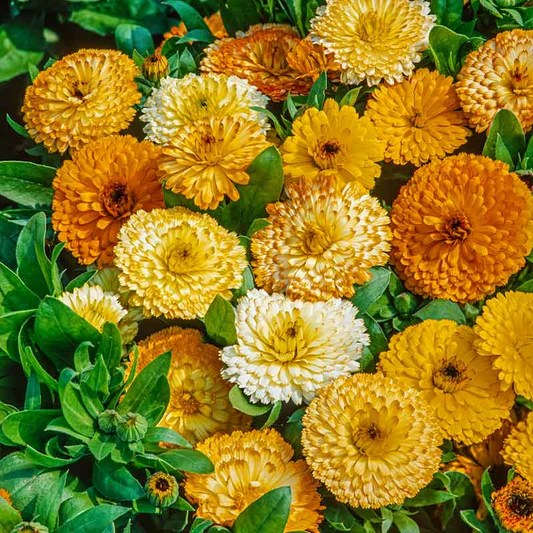
Calendula is sunshine in flower form.
Its cheerful golden and orange blossoms have brightened gardens for centuries, blooming generously from spring until frost.
Although often called a marigold, calendula is a different plant altogether—prized not only for its beauty but also for its remarkable usefulness in both the kitchen and the apothecary.
The English affectionately called it Mary’s Gold, honoring Mary, the mother of Jesus, and its blossoms have long been woven into traditions of healing, celebration, and everyday life.
Whether growing in a cottage garden or tucked beside vegetables, calendula seems happiest where it can be gathered often.
The more its blossoms are picked, the more generously it blooms.
Parts Traditionally Used
The bright flower blossoms are the most treasured part of the plant.
Traditional preparations include:
🌼 Fresh flowers
🌼 Dried petals
🌼 Whole blossoms
These may be enjoyed in:
These cheerful golden blossoms find their way into many traditional preparations.
🫒 Botanical oils
🍵 Botanical teas
🧴 Salves & balms
🥗 Culinary dishes
🍎 Herbal vinegars
🧼 Botanical skincare
Traditional Herbal Uses
Calendula has been cherished throughout Europe, the Middle East, and India for centuries as one of herbalism’s most beloved flowers.
It has traditionally been used to support gentle skin care, minor cuts and scrapes, comfortable healthy-looking skin, seasonal wellness, digestive comfort, and everyday botanical nourishment.
Its vibrant petals naturally contain carotenoids, flavonoids, triterpenes, and many other botanical compounds that continue to be studied for their antioxidant, soothing, and skin-supportive properties.
In the Kitchen
Calendula has long been known as “the poor man’s saffron.”
Its edible petals add cheerful color and a mild peppery flavor to:
🥗 Garden salads
🍚 Rice dishes
🥣 Soups
🧈 Herbal butters
🍞 Breads
🍵 Herbal teas
🧀 Fresh cheeses
The blossoms brighten both the plate and the garden.
A Few Considerations
Calendula has a long history of both culinary and topical use and is generally considered a gentle botanical for most people.
Those who are sensitive to members of the daisy family (Asteraceae)—such as ragweed, daisies, or chrysanthemums—may also be sensitive to calendula.
If you are pregnant or breastfeeding, it is always wise to consult your healthcare provider before using concentrated herbal preparations.
Whenever possible, gather blossoms from plants that have never been treated with
pesticides or chemical sprays. For the finest quality, harvest flowers on a dry day after the morning dew has evaporated.
In My Apothecary
You may find calendula featured in:
🌿 Botanical Oils
🌿 Herbal Salves
🌿 Lip Balms
🌿 Botanical Skincare
🌿 Botanical Tea Blends
🌿 Seasonal Botanical Preparations
Harvest & Preparation
Calendula is one of the most generous plants in the garden.
The blossoms are traditionally harvested throughout the growing season as each flower fully opens.
Frequent harvesting encourages the plant to continue producing new blooms, often right up until the first hard frost.
The flowers may be used fresh or carefully dried for teas, botanical oils, salves, and countless handcrafted preparations.
Keeper’s Notes
If I could only grow one medicinal flower, it might be calendula.
Every morning during the growing season, I wander through the garden with a basket in hand, gathering the blossoms that opened to greet the sun.
It becomes less of a chore and more of a quiet conversation with the garden.
Calendula has taught me that generosity creates abundance.
The more you gather, the more it gives.
Perhaps that’s true for people, too.
Meet the Plant
Botanical Name:
Calendula officinalis
Plant Family:
Daisy (Asteraceae)
Life Cycle:
Hardy annual (often self-seeding)
Parts Traditionally Used:
Flower Blossoms
Native Home:
Likely southern Europe, now naturalized throughout much of the world
Growing Habit:
Bushy annual with bright golden-orange flowers that bloom continuously with regular harvesting.
Garden Friends:
Honeybees, native bees, butterflies, hoverflies, and other beneficial insects
Harvest:
Blossoms are gathered throughout the growing season as each flower fully opens.
Known For:
Vibrant golden flowers, skin-loving botanical oils, edible petals, and one of the most generous blooming herbs in the garden.
See Also 🧡Citrine
Turn toward the light.
 5K High Altitude Apothecary