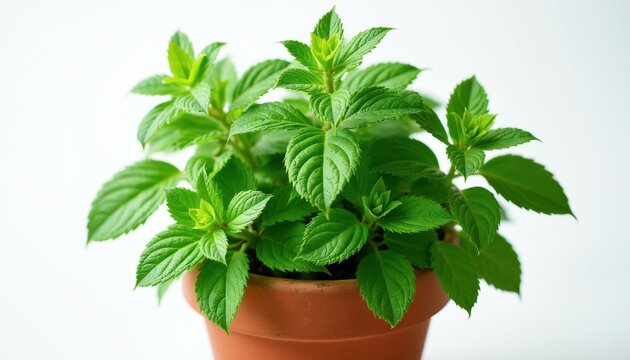
🍋 Lemon Balm
Melissa officinalis
Family: Lamiaceae (Mint Family)
Also Known As: Balm • Bee Balm* • Sweet Balm • Honey Plant
*Not to be confused with Monarda, which is also commonly called Bee Balm.
Relationship
🤝 Thoughtfully Sourced
🌎 Always Studying
Meet the Plant
Botanical Name: Melissa officinalis
Family: Lamiaceae (Mint Family)
Parts Traditionally Used: Leaves
Growing Habit: Hardy perennial
Native To: Southern Europe & the Mediterranean
Pollinator Favorite: Honeybees and other beneficial insects
Favorite Season: Late spring through summer
Lemon balm is a cheerful perennial with softly crinkled leaves and a bright citrus fragrance that seems to lift the spirit the moment it is touched.
A member of the mint family, it has been cultivated in monastery gardens, cottage gardens, and home apothecaries for more than two thousand years.
Its botanical name, Melissa, comes from the Greek word for honeybee, a fitting tribute to the bees that eagerly visit its tiny white flowers.
Native to southern Europe and the Mediterranean region, lemon balm now grows happily in gardens throughout much of the world, returning faithfully each spring.
Parts Traditionally Used
🍃 Leaves
The fragrant leaves are the most cherished part of the lemon balm plant.
They have traditionally been enjoyed in:
🍵 Botanical teas
🥗 Culinary dishes
🧪 Botanical extracts
🪻 Aromatic sachets
🫒 Botanical oils & salves
For the brightest aroma and flavor, the leaves are traditionally harvested just before the plant begins to flower.
Traditional Herbal Uses
For centuries, lemon balm has been treasured as a gentle, uplifting botanical companion.
Traditionally it has been used to support calm during times of stress, restful evenings and peaceful sleep, comfortable digestion after meals, seasonal wellness, and everyday moments of relaxation.
Modern research continues to explore its naturally occurring aromatic oils, rosmarinic acid, and other beneficial plant compounds, helping us better understand its long history in traditional herbal practices.
In the Kitchen
Lemon balm offers a fresh, gentle citrus flavor with a hint of mint.
Traditionally it has been enjoyed in:
🍵 Herbal teas
🍓 Fresh fruit
🥗 Garden salads
🐟 Fish dishes
🍯 Honey & herbal vinegars
🍰 Summer desserts
It also makes a wonderfully refreshing iced tea on warm summer afternoons.
A Few Considerations
Lemon balm has a long history of culinary and traditional herbal use and is generally well tolerated.
It is considered non-toxic to dogs, cats, and horses, although consuming large amounts of any fresh plant may occasionally cause mild digestive upset.
Those taking thyroid medication or managing a thyroid condition should consult their healthcare provider before using concentrated herbal preparations.
As with all botanicals, moderation and thoughtful use are encouraged.
In My Apothecary
You may find lemon balm featured in:
🌿 Botanical Tea Blends
🌿 Botanical Extracts
🌿 Botanical Oils
🌿 Seasonal Formulations
🌿 Garden Fresh Preparations
Harvest & Preparation
Lemon balm is best harvested just before it flowers, when its fragrant oils are at their most vibrant.
Fresh leaves offer the brightest lemon aroma, while gently dried leaves preserve much of their character for year-round enjoyment.
The more often it is harvested, the more generously the plant continues to grow.
Keeper’s Notes
Lemon balm has become one of those herbs I never seem to have enough of.
Every time I brush past it in the garden, it offers a little gift—a burst of bright citrus carried on the breeze.
The bees seem to know this, too.
If there is one lesson this plant has taught me, it is that joy doesn’t have to be complicated.
Sometimes it is as simple as sunshine, a green leaf, and taking a moment to breathe in its fragrance.
See also 💗 Morganite
The heart can soften without becoming unprotected.
Continue Wandering…
Back to 🌿 The Herbarium
 5K High Altitude Apothecary